

Blog
AI in Science: Validating Knowledge Faster, Better
Discover how AI can streamline validating scientific claims, making critical information trustworthy and accessible for your business.
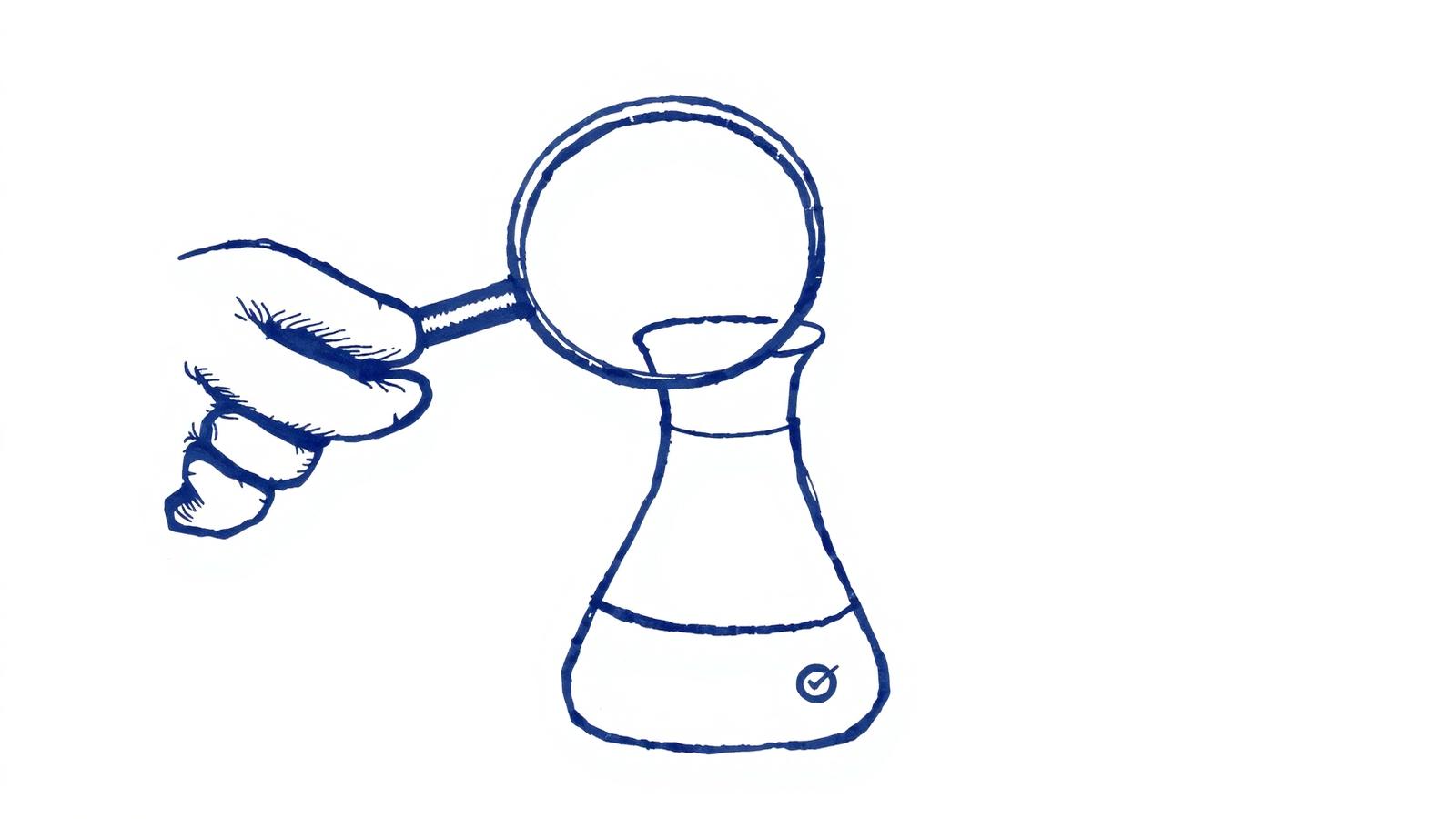
Science is advancing at an unprecedented pace, with artificial intelligence generating vast amounts of new findings. However, our traditional systems for validating and sharing scientific knowledge are struggling to keep up. This disconnect can lead to delays in crucial information reaching those who need it most.
Why this matters for SMEs
For a small to medium-sized enterprise, swift access to validated scientific information can be critical for strategic planning, product development, and risk assessment. Operations directors, R&D leads, and even product managers need confidence that the scientific data they rely on is robust and current, directly impacting decision-making and competitiveness.
What it looks like in practice
Take Orla, the Head of Product Development at 'BioTech Solutions Louth,' a 70-person Irish firm specialising in sustainable packaging. Traditionally, Orla's team spends weeks, sometimes months, sifting through scientific journals and conference proceedings to find validated research on biodegradable materials. Once they find a promising paper, verifying its claims involves manual literature reviews and often waiting for internal lab replication – a time-consuming and costly process.
Before AI-assisted validation: Orla identifies a research paper detailing a new enzyme that significantly speeds up plastic degradation. Her team spends two months trying to independently verify the enzyme's efficacy and stability in their lab, delaying their packaging prototype by a quarter.
After AI-assisted validation: With an AI-driven system, Orla's team uses a validated claim database. When the paper on the new enzyme is published, its core claims are automatically submitted for testing. Within days, validated results from accredited labs confirm the enzyme's properties under various conditions. Orla receives a concise 'decision card' summarising the evidence, allowing her team to confidently integrate the enzyme into their prototype design within a week, significantly accelerating their development cycle and reducing R&D costs.
What could go wrong
- Data Quality Concerns: If the underlying data for AI validation is flawed or biased, the 'validated' claims could be misleading, leading to poor decisions.
- Over-reliance on Automation: Critical human judgment might be overlooked if the system becomes too automated, especially for novel or ethically sensitive research.
- Integration Complexity: Implementing and maintaining such a system could be complex and expensive for SMEs without dedicated IT or scientific research departments.
- Trust and Acceptance: There could be initial resistance from traditional scientists or industry professionals who prefer established, albeit slower, validation methods.
What to try this week
- Investigate 'Living Review' Platforms: Look for existing scientific platforms that offer 'living reviews' or continuously updated evidence syntheses in your industry. See how they address validation and currency.
- Define Your Information Needs: List the 3-5 most critical types of scientific claims or research findings your business relies on. Consider how rapidly these needs change and the current lag in obtaining validated information.
- Consult an AI Specialist: Discuss with an AI consultant like Artellis how AI could realistically be applied to streamline information validation within your specific business context, focusing on practical, lower-cost entry points.
Focus on understanding how quicker, more reliable access to scientific truth could genuinely benefit your next operational decision or product step.
One Workflow
One workflow a week, worth automating.
I look at what your company actually does and write you a short letter: the opportunity, the likely hours it gives back, how involved it is, where the human review sits, and a first step you could run yourself this week. Founding cohort, limited to 100 companies while I personally review every week's recommendations. Reply to any letter and you reach me, not a form.
See a sample letter and how it works
Everything in the letter is decision support: review, test and approve before anything runs in your business. Your email is used for One Workflow only.